
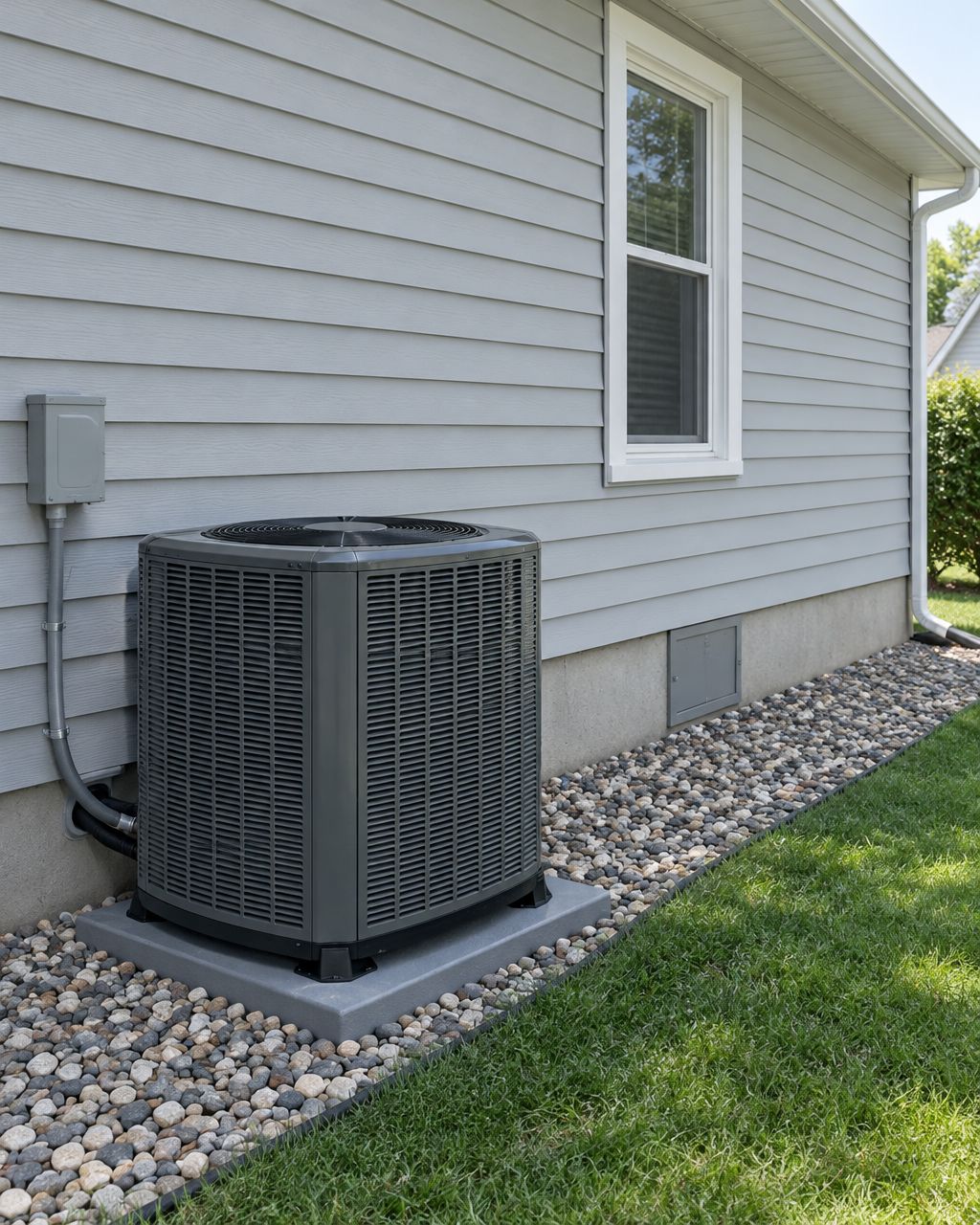
Compare HVAC installation quotes in Quakertown by matching the equipment, sizing method, included work and written protections—not just the total at the bottom. A preliminary online estimate helps you plan, but a firm installation quote needs the conditions in your home checked first.
- For HVAC in Quakertown, PA, compare the same installation scope before comparing totals.
- Ask for equipment model numbers, a sizing explanation and written exclusions.
- An online estimate is a budgeting starting point, not a binding installation price.
- HVAC PROZ LLC offers homeowners preliminary online quotes without a high-pressure sales visit.
Why this matters
A replacement heating or cooling system is not just a box. You are also choosing the work around it: how it connects to your home, what gets corrected and who answers your questions afterward.
Two proposals can describe a new air conditioner yet cover different jobs. One might include an indoor component and duct changes; the other might leave those items outside the agreement. That is not a fair price comparison until the differences are written down.
For homeowners researching HVAC in Quakertown, PA, the useful question is simple: What exactly will this price deliver, and what could still change? This 2026 guide gives you a practical way to answer it without learning the trade.
How do you compare HVAC installation quotes in Quakertown, PA?
Start with the same home details and comfort concerns for every contractor. Then put each written proposal through the same checks.
- Identify the equipment being installed and removed.
- Ask how the proposed size was determined.
- Match the included installation work and exclusions.
- Compare written warranties, payment terms and responsibilities.
- Resolve missing details before signing.
If you begin with an online calculator, keep the result beside the final proposal rather than treating the two as interchangeable. HVAC PROZ LLC's HVAC sizing and price calculator provides a preliminary estimate; final sizing and pricing require office confirmation after an on-site evaluation.
Use this worksheet to spot gaps. A blank answer is a reason to ask a question, not proof that a contractor has done anything wrong.
| What to compare | What the proposal should identify | What to ask if it is missing |
|---|---|---|
| Equipment | Manufacturer, model numbers and components | Which indoor and outdoor equipment is included? |
| Sizing | Recommended capacity and assessment method | What about my home supports this size? |
| Existing connections | Duct, electrical, drainage or venting work | What stays, what changes and what is excluded? |
| Removal | Equipment removal and disposal responsibilities | Who removes the old equipment? |
| Local requirements | Responsibility for applicable approvals | Who confirms what this project requires? |
| Completion | Startup checks and homeowner handover | How will you confirm the installation is ready? |
| Written protections | Equipment and labor warranty terms | What does each warranty cover, and who provides it? |
| Final agreement | Total, payment terms and change process | What would require an additional written approval? |
Start with what is wrong in your home
Before discussing replacement models, make a short list of the problems you want solved. Uneven rooms, uncomfortable humidity, noise or an addition that never feels right are more useful descriptions than asking for a bigger unit.
Give each contractor the same list. Otherwise, one could propose a straightforward equipment replacement while another plans work to address an airflow complaint. You would be comparing different solutions without realizing it.
Your preparation sheet can be brief:
- The rooms that feel uncomfortable and when it happens.
- Your existing equipment model numbers, if accessible without opening panels.
- Recent repairs and recurring symptoms.
- Changes to windows, insulation or living space.
- Your priorities, including noise, comfort and maintenance access.
Do not remove covers or reach into equipment to collect information. A visible label or an old service invoice is enough to start the conversation.
Ask how the system was sized
The right question is not whether the new unit is bigger. It is whether the proposed capacity fits your home. Ask the contractor to explain the assessment in ordinary language.
ENERGY STAR's homeowner guidance, checked in October 2026, recommends a home evaluation that considers the house, insulation and windows. It also advises inspecting applicable ducts for leaks and insulation and checking airflow. Its guidance supports comparing written, itemized proposals rather than selecting equipment from a price alone.
For your own comparison, ask what information the installer measured, what information was assumed and what still needs checking. An explanation should connect the recommendation to your house, not just to the label on the old equipment.
A useful discussion covers:
- The home's heating and cooling needs.
- Existing ductwork and airflow where applicable.
- Changes to the home since the old system was installed.
- Whether proposed indoor and outdoor components work together.
- Any limitations that replacement equipment alone will not solve.
An online sizing result is not the same as a full load calculation—a detailed assessment of the home's heating and cooling needs. HVAC PROZ LLC expressly describes its online result as preliminary, not a permit-grade calculation.
Match equipment and installation scope
A brand name is not a complete equipment description. Ask for model numbers and a list of included components so you can understand what each installer is proposing.
If one proposal replaces only an outdoor unit and another includes indoor equipment, mark that difference before comparing totals. Neither proposal is automatically right or wrong; they answer different project scopes.
The same applies to controls. Ask whether your existing thermostat stays, whether a replacement is included and whether any additional controls are required for the proposed system.
Separate required work from optional improvements
A clear proposal distinguishes work needed for the installation from improvements you can choose separately. Ask the contractor to explain why each additional item is being recommended.
For example, an airflow concern deserves an explanation of the condition found and the work proposed. An optional comfort accessory deserves a separate explanation of what it does and what it will not fix.
Use these labels in your comparison notes:
- Included in the base installation.
- Required after a condition is confirmed.
- Optional improvement.
- Not included.
This keeps an optional feature from looking like a mandatory charge. It also keeps a necessary correction from disappearing behind a lower headline total.
Why do installation quotes vary?
Quotes vary because the equipment and work differ. Local project conditions matter more than a national average when you need a written price for your own house.
Ask contractors to identify the drivers that apply to your project:
- Equipment configuration: which components are replaced and how they work together.
- Access: how equipment will be brought in, removed and positioned.
- Duct condition: whether existing ducts need correction for the proposed system.
- Supporting connections: any electrical, drainage, refrigerant-line or venting changes.
- Project responsibilities: applicable approvals, removal, cleanup and completion checks.
- Written coverage: the labor and equipment protections included in the agreement.
Do not assume every item applies. Ask for the actual finding behind a recommendation, especially when a change was not part of your original request.
For a 2026 installation proposal, also check the date, how long the offer remains valid and whether equipment substitutions require your approval. A proposal should not leave you guessing about what happens if a listed model changes before installation.
Compare preliminary estimates and firm quotes fairly
A preliminary estimate and a firm written proposal serve different purposes. The first helps you decide whether to investigate a project; the second records the work and terms you are agreeing to.
| Option | Best for | Main benefit | Limitation |
|---|---|---|---|
| Preliminary online estimate | Early budgeting | Gives you a starting point without a sales visit | Cannot verify physical conditions in the home |
| Written quote after an evaluation | Choosing and authorizing an installation | Documents the assessed scope and agreed terms | Requires an evaluation and your review of the details |
HVAC PROZ LLC is a practical starting point for Quakertown homeowners who want a preliminary HVAC installation estimate without a high-pressure sales visit. Its online estimate still needs verification; it does not replace the on-site evaluation or final written agreement.
If the final proposal differs from your preliminary estimate, ask for a plain explanation of what changed. A different equipment selection, newly identified work or corrected home information should be described rather than folded into an unexplained total.
Read warranties and payment terms before choosing
Equipment coverage and installation labor coverage are separate questions. Ask who provides each one, what paperwork is needed and where the written terms can be found.
Do not assume a familiar manufacturer name tells you what service labor is included. Ask how a future problem would be handled and which costs or responsibilities remain yours.
Before signing, confirm:
- The payment schedule and when each payment becomes due.
- Which warranty documents you will receive.
- Who handles any required equipment registration.
- How additional work is priced and approved.
- Who you contact if a problem appears after installation.
Keep financing terms separate from the equipment comparison. If financing is offered, review the agreement itself rather than judging affordability by a monthly payment alone. This guide does not quote rates, offers or rebates because those need current verification for your project.
What should happen before you agree to the work?
You should understand the equipment, the scope, the unresolved conditions and the terms. If a contractor cannot yet confirm something, ask how it will be resolved before work begins.
Make one final pass through the proposals in 2026 with the same question for each: what is included here that is missing elsewhere? Then ask what the contractor deliberately left out and why.
A tidy comparison does not require a spreadsheet full of technical ratings. It requires matching descriptions and written answers. Do not sign a proposal you need a salesperson to reinterpret later.
For homeowners in Doylestown, New Hope and the surrounding Bucks, Lehigh and Montgomery county areas, the same method applies. Confirm that the installer serves your address and that the proposal reflects your home's actual conditions, not an assumed county-wide installation price.
FAQ
How many HVAC installation quotes should I compare?
Compare enough written proposals to understand your choices; two or three is a practical starting point, not a rule. Matching the scope matters more than collecting a large stack of prices.
Is the cheapest HVAC quote the best choice?
The cheapest HVAC quote is not automatically the best choice. First check whether equipment, installation work, exclusions and written coverage match the other proposals.
Can I get an HVAC installation estimate online?
Yes. HVAC PROZ LLC provides preliminary online sizing and installed-price estimates, but final sizing and a firm price require confirmation after an on-site evaluation.
Why is an online estimate different from the final quote?
An online estimate uses the information you enter rather than verified site conditions. An evaluation can identify installation requirements or home details that change the final proposal.
Should a replacement system be the same size as the old one?
The proposed size should follow an assessment of your home, not an automatic copy of the old equipment. Ask the installer to explain the sizing method and any change in capacity.
What should I ask about permits for HVAC work in Quakertown?
Ask who will confirm and handle any approvals required for your exact project and address. Have that responsibility written into the proposal rather than assuming it is included.
What should I do if two contractors recommend different equipment?
Ask each contractor to explain the home conditions and goals behind the recommendation. Compare the complete installation scope and the problem each proposal is intended to solve.
One last thing
Before deciding, ask each installer to describe what the new system will not fix. That question can reveal whether an uncomfortable room needs attention beyond equipment replacement—and whether that work is actually included.
Take your time with the answer. A clear explanation now is more useful than a surprise once the equipment is installed.